25 Travel Experiences That Changed Our Perspectives
Travel has the power to fundamentally shift how people see the world, themselves, and the work they do. This article brings together insights from experts across multiple fields who share how specific experiences abroad reshaped their professional approaches and personal values. From confronting historical atrocities to building inclusive systems in resource-limited settings, these stories reveal the lasting impact of stepping outside familiar boundaries.
- Show Vulnerability Invite Genuine Community Connection
- Face Atrocity to Protect Fragile Peace
- Respect Frameworks Solve for What Breaks
- Create Early Immersion That Centers Identity
- Own the Welcome Remove Friction Earn Trust
- Deliver Stability Fast With Clear Next Steps
- Favor Competence Over Confidence Prepare Relentlessly
- Honor the Journey Elevate Experience
- Pursue Full Localization to Foster Inclusion
- Build for Constraints Include Overlooked Users
- Let Place Do Transformative Work
- Shift to Hyperlocal Knowledge and Resourceful Creativity
- Value Presence Above Output Question Urgency
- Track Body Signals to Restore Choice
- Regain Focus to Practice Medicine Better
- Uncover Layers Serve With Local Context
- Lead With Empathy Map Real-World Limits
- Install Systems so Talent Truly Thrives
- Choose Sobriety Discover Gratitude and Joy
- Make Persistence the Prerequisite to Success
- Rebuild Abroad Cultivate Patience and Resilience
- Design Ecosystems Not Just Buildings
- Confront Avoidance Restructure Patterns Through Insight
- Establish Credibility First Listen Before Solutions
- Champion Long-Term Vision Through Deliberate Pause
Show Vulnerability Invite Genuine Community Connection
One travel experience that profoundly changed my perspective was a late evening taxi ride in Casablanca after a long train from Marrakech. Exhausted and nervous, I tried speaking in broken Darija rather than retreating into silence, and the driver patiently coached me through our conversation. By the end of that twenty minute ride I had a handwritten list of his favorite restaurants and a fresh understanding of Moroccan hospitality. That moment taught me that vulnerability opens the door to authentic connection and that locals appreciate effort more than perfection. It reshaped how I travel and how I think about designing trips, valuing moments that invite curiosity and human exchange.

Face Atrocity to Protect Fragile Peace
Visiting the “Killing Fields” in Cambodia really opened my eyes to the depravity of humans. I have visited many dark tourism and historical sites during my travels; however, something about the Killing Fields made me more uncomfortable than I expected. Maybe it was the tower that had been constructed using the human skulls of many of the victims, along with the audio tapes of narrators explaining what had happened; it really upset me.
I think history being told is highly important to try to prevent us from recreating awful situations in the future, and without this site, many people around the world would never have learned what happened, but I definitely found that seeing the skulls really puts it into perspective and makes it hard to comprehend. It made me appreciate that politics can change drastically at any moment and that, really, no country is 100% safe from genocide.

Respect Frameworks Solve for What Breaks
Studying abroad in South Africa in college flipped a switch for me, and it’s the trip I still measure everything against. I went in thinking “travel” was about scenery; I left realizing it’s mostly about logistics, relationships, and how people make something work with what they’ve got.
I later started a scrappy Dala-Dala-style rideshare bus near ASU with friends, and that mindset came straight from SA: build the thing, test it in the real world, and expect chaos. That “make it functional first” mentality is the same one that shows up today when we’re designing and deploying canvas bell tents for festivals and remote sites across different climates.
Worldview-wise, it made me stop romanticizing environments–deserts, jungles, beaches–and start respecting them as systems that will punish lazy planning. In my business, that translates to obsessing over unsexy details like canvas treatments, stitching, ventilation, and maintenance, because comfort is basically just good preparation.
Practical takeaway: when you travel, don’t just ask “what’s beautiful here?”–ask “what breaks here?” Weather, supply chains, power, people, timelines. That one question will change how you pack, how you plan, and how you see the difference between a vibe and something that actually lasts.
Create Early Immersion That Centers Identity
Moving from San Juan, Puerto Rico, to Minnesota 25 years ago profoundly changed my perspective as a bilingual parent and educator. I arrived excited but soon frustrated—no authentic Spanish immersion programs existed for my kids Sophia and Johnny, despite my expertise in bilingual education.
That relocation highlighted how cultural disconnection stifles growth, pushing me to design programs honoring students’ identities. It sparked Alma Flor Ada Spanish Immersion Early Learning Academy, where native teachers from Colombia, Puerto Rico, Venezuela, and Mexico weave diverse Hispanic traditions into STEM and daily play.
Now my worldview centers on bilingualism as a bridge: it builds empathy, flexibility, and confidence by celebrating difference. Children here navigate languages with ease, emerging ready for a global society—proving early immersion turns “otherness” into shared strength.
Own the Welcome Remove Friction Earn Trust
Running a transportation company in Los Cabos forced me to stop seeing travel as a transaction. When you’re the first and last person a traveler interacts with, you realize fast that the “welcome to Mexico” moment shapes everything that follows.
One thing that shifted my worldview: watching first-time visitors arrive stressed and guarded, then completely transform after a cold welcome drink, a grocery stop, and a driver who actually knew the region. That’s not a shuttle ride—that’s the beginning of someone’s best vacation memory.
It made me rethink what “service” means in the travel industry. The destination sells itself. What people remember is how they felt during the transitions—the airport pickup, the ride to the resort, the first local recommendation they got from someone who actually lives there.
Now I build everything around that principle: remove friction at the exact moment someone is most vulnerable (jet-lagged, unfamiliar territory, kids in tow), and you’ve earned their trust for the entire trip.

Deliver Stability Fast With Clear Next Steps
After a major house fire placement, I delivered a fully-equipped travel trailer to a family’s driveway and set up utilities so they could sleep on their own property while restoration crews worked inside. Watching them go from “we don’t know where we’re sleeping tonight” to cooking dinner an hour later hit me harder than any vacation travel ever has.
It changed my perspective on what “home” really is: it’s not square footage, it’s stability, privacy, and having your people close when life gets chaotic. It also made me realize how much of modern life is just infrastructure you never think about until it’s gone–power, water, sewer, basic communication.
That experience reshaped my worldview into being obsessed with speed + clarity over perfection. In disaster housing, the win isn’t a fancy setup; it’s showing up fast, communicating like an adult, and removing friction so a stressed-out family doesn’t have to become a project manager.
Practical takeaway I live by now: when someone’s under stress, give them three concrete next steps (what I need from you, what I’ll handle, when it’ll happen) and then execute. It’s amazing how much dignity you can restore with a clean, sanitized space and a reliable timeline.

Favor Competence Over Confidence Prepare Relentlessly
At nineteen I flew solo to Athens and joined a tall ship voyage sailing disabled children from Greece to Monte Carlo. I had no safety net, no one to call, and every decision—weather, crew dynamics, a child having a rough day on open water—landed on me.
What shifted permanently was understanding that the ocean does not care about your confidence, only your competence. You either prepared or you didn’t. That trip stripped away any illusion that enthusiasm substitutes for discipline.
It directly shaped how I run Luxury Marine today. When I’m walking a buyer through a vessel or planning a offshore delivery, I’m still that nineteen-year-old reading weather windows and mapping emergency stops—just now it protects someone’s financial asset instead of a child on a tall ship.
The practical carry-forward: real responsibility before you feel ready is the fastest education available. Say yes to the thing that scares you, then prepare obsessively until the fear becomes process.
Honor the Journey Elevate Experience
Before running Brisbane360, I spent time as a ski instructor overseas — and one particular day with a group of first-timers genuinely rewired how I see people.
A middle-aged woman, terrified of heights, stood frozen at the top of a beginner slope. She’d travelled thousands of kilometres for this. Instead of coaching technique, I just stood next to her and pointed out the view. She forgot to be scared, pushed off, and made it down laughing. That was the moment I understood that the *journey itself* — not the destination — is where people actually change.
I carried that directly into how we run tours at Brisbane360. When we take seniors out to North Stradbroke Island or international students on study tours around Brisbane, my drivers are trained to treat every trip as an *experience*, not a transfer. The landscape outside the window isn’t background noise — it’s the whole point.
The worldview shift for me was this: people remember how a journey *felt*, not the logistics behind it. Once you truly believe that, you stop cutting corners on service, because you realise you’re holding someone’s memory in your hands.
Pursue Full Localization to Foster Inclusion
Traveling through Latin America for client work—particularly in Venezuela and Colombia—completely rewired how I think about communication. Not just language, but meaning.
I watched a well-intentioned hotel chain lose local guests simply because their translated signage felt cold and foreign, even though the words were technically correct.
That trip pushed me to stop treating translation as a word-swap exercise. When I work with travel and hospitality clients now, I push hard for full localization—menus, signage, booking flows—because tourists make decisions based on how comfortable they feel, not just how informed they are.
The deeper shift was understanding that language barriers aren’t just inconvenient—they’re exclusionary. A family that can’t read a consent form, a tourist who can’t navigate a transit system, a traveler who abandons a booking because the website feels foreign—these are real losses, for people and for businesses.
Growing up bilingual between Venezuelan and American culture gave me skin in that game personally. I wasn’t just consulting—I was living the gap that bad localization creates.
Build for Constraints Include Overlooked Users
The travel experience that most profoundly changed my perspective was spending three weeks in rural Pakistan visiting the region where my family originally came from, right before I launched Software House in Australia. I had been living in Australia for years and had developed a very Western-centric view of how technology businesses should operate and what problems were worth solving.
What struck me immediately was the gap between the technology I took for granted and the reality on the ground. People in these communities had smartphones but unreliable internet. They had ambition and business ideas but no access to the digital tools that make modern entrepreneurship possible. Small shop owners were managing inventory on paper notebooks, not because they lacked intelligence, but because no one had built software that worked within their constraints of intermittent connectivity, limited data plans, and devices with modest storage.
This experience fundamentally changed how I approach software development. Before that trip, I was building products primarily for the Australian market with assumptions about high-speed internet, modern devices, and tech-literate users. Afterward, I started thinking about accessibility and inclusivity as engineering requirements rather than nice-to-have features.
At Software House, this translates into concrete practices. We now build progressive web applications that work offline and sync when connectivity returns. We optimize our e-commerce solutions like Sofa Decor to load quickly on slower connections because we know that even in Australia, not everyone has fiber internet. We test our applications on low-end devices, not just the latest phones.
The deeper worldview shift was understanding that technology entrepreneurship is not just about building clever products for people who already have everything. The most meaningful software solves problems for people who have been overlooked by the tech industry. This perspective made me a better CEO because it expanded my definition of who our users are and what quality means in software development.
That trip taught me that the world does not need more apps for affluent urban professionals. It needs technology that works for everyone, everywhere, on whatever device they can afford.

Let Place Do Transformative Work
Spending years guiding guests through old-growth redwoods in Occidental, California genuinely rewired how I think about transformation. I’ve watched people arrive distracted and stressed, and leave something behind in those trees that they’d been carrying for years.
One moment that stuck with me: a secular grief retreat group came through Alliance Redwoods, and their organizer told me afterward that every single attendee felt they’d accessed something deeper than themselves that weekend—regardless of their beliefs. No shared religion, no shared background, just 115 acres of redwoods doing something that a city conference room never could.
That experience taught me that *place* is an active ingredient in human change—not just a backdrop. The forest wasn’t scenery; it was doing the work.
It’s shaped how I approach destination storytelling now. I stopped trying to sell amenities and started communicating what a place actually *does* to people. There’s a meaningful difference between marketing a location and helping someone understand why standing under a 300-foot tree might be exactly what they need right now.
Shift to Hyperlocal Knowledge and Resourceful Creativity
The Hyper-Local Shift: Why Proximity Equals Perspective
In my experience managing public relations for international brands, I’ve found that true market empathy isn’t born in a boardroom; it’s born in the unscripted moments of travel. A few years ago, I spent time in the smaller, tech-focused hubs of Southeast Asia—not the major capitals, but the emerging “second cities.”
The experience that profoundly changed my perspective was witnessing how local entrepreneurs there solved massive infrastructure gaps with nothing but a mobile phone and a relentless community focus. Unlike the high-budget, top-down PR strategies we often deploy in the West, these founders relied on hyper-local trust and peer-to-peer advocacy.
This experience shifted my worldview in two specific ways:
From Global to Granular: I realized that “global” is just a collection of “locals.” If a brand doesn’t resonate with the person on the street in a specific province, the global campaign is just noise. This realization led me to prioritize deep cultural research over broad demographic data.
The Agility of Necessity: In regions where resources are scarce, innovation is faster. It taught me that constraints aren’t obstacles; they are the ultimate catalysts for creativity.
Since that trip, I’ve approached every campaign by asking: “How would this work if we had no budget and only a community of ten people?” It forces a level of authenticity that today’s skeptical consumers crave. When I’m not on the road, I often find that focusing on specialized, high-intent niches is far more effective than casting a wide, shallow net.
Ultimately, travel taught me that the world is much smaller, yet far more complex than a press release can capture. To lead in PR today, you have to be willing to get on the ground and listen before you ever try to speak.
Value Presence Above Output Question Urgency
The experience that changed my perspective most permanently was spending three weeks moving slowly through rural Japan without a fixed itinerary, and what shifted was not something I expected to shift going in.
I had traveled reasonably widely before that trip and considered myself someone who engaged with places genuinely rather than just collecting experiences. What rural Japan dismantled was a subtler assumption I had not recognized I was carrying which was that productivity and presence were essentially the same thing and that a day without visible output was a day that had not fully counted.
The particular quality of life I encountered in the smaller towns and farming communities I passed through was organized around entirely different temporal values. Meals took as long as they took. Craftsmanship was measured in decades rather than delivery cycles. An elderly ceramicist I spent an afternoon with had been refining the same form for thirty years and spoke about that continuity with a satisfaction that had no anxiety underneath it whatsoever.
What struck me was not that this represented a better way to live in some romanticized sense. It was that encountering it so directly revealed how thoroughly my own sense of value had been constructed around output metrics I had absorbed so completely I had stopped recognizing them as a choice.
The worldview shift that followed was practical rather than philosophical. I became genuinely interested in the question of which of my urgencies were real and which were inherited assumptions about what a productive life was supposed to feel like moving at what speed toward what destination.
That question has stayed with me more durably than anything I photographed.

Track Body Signals to Restore Choice
I’m an LMFT in Redondo Beach and before private practice I worked across detox, residential, and outpatient settings doing individual and group therapy for trauma, mental health, and addiction–so I spend a lot of time watching how people “travel” emotionally, even when their zip code doesn’t change.
One trip that changed my perspective was a long solo drive up the California coast during a stretch when I was doing a lot of my own personal work and also running groups for early recovery. Being alone, moving through different towns, and noticing how quickly my nervous system shifted (tight chest in one place, calmer in another) made “somatic experiencing” feel less like theory and more like a real-time map of safety and threat.
It shaped my worldview into this: environment matters, but what matters more is the story your body learned to tell about the world. I see that all the time with trauma + substance use–people aren’t “lacking willpower,” they’re trying to regulate hypervigilance, grief, or attachment pain the fastest way they know how.
In session now, I’ll borrow from that experience by helping clients track the micro-shifts–breath, shoulders, urge to shut down–while we use tools like mindfulness/CBT/DBT for stability and (when appropriate) EMDR for deeper processing. The “destination” isn’t perfection; it’s learning you can move through discomfort without abandoning yourself.
Regain Focus to Practice Medicine Better
Riding my Harley through the mountain roads outside Los Angeles cracked something open for me professionally. When you’re on a bike, you can’t multitask—you’re just *there*, fully present, or you’re in danger.
That forced presence reminded me of something I’d been slowly losing in my practice: the ability to actually *see* a patient, not just their chart. I started incorporating that mindset into every consultation—pause, observe, listen before reaching for a prescription pad.
It also reshaped how I think about workspace and pace. Medicine had made me feel like slowing down was failure. The road taught me that sustainable speed matters more than raw speed—which is part of why I eventually moved toward more flexible, independent practice rather than grinding through a hospital system.
The outdoors has a way of humbling you without humiliating you. That’s a rare thing in medicine, where vulnerability isn’t exactly celebrated. I’d recommend any burned-out physician trade one CME weekend for a physical challenge that scares them a little—ski a harder run, take a longer ride. Your patients will notice the difference.

Uncover Layers Serve With Local Context
Growing up between Chicago and New Orleans, I thought I understood cultural depth. Then I started spending real time in Detroit, and it genuinely rewired how I see American cities.
Detroit sits on an international border with a French colonial history that most people don’t know exists. Once I started digging into that—the architecture, the waterfront, the connection to Windsor—I stopped seeing cities as just tourist checklists and started seeing them as layered stories most visitors never access.
That shift is what pushed me to build a travel blog alongside our rental business. Guests don’t just want a clean apartment; they want to know *why* Eastern Market matters, or what the Detroit Riverfront says about the city’s comeback. When we started offering that context, the quality of our guest experiences changed completely.
The real lesson: slow down enough to learn a place before you try to serve it. That’s what separates a host from a landlord.

Lead With Empathy Map Real-World Limits
Being part of an international delegation of twenty CEOs to Cuba changed me more than any “bucket list” trip ever could. Sitting across from government officials and business leaders, I watched how quickly assumptions dissolve when you have to communicate without relying on your usual cultural shortcuts.
As someone who runs a marketing/communications firm built around marketing psychology and human behavior, it hit me that “best practices” aren’t universal–they’re context-dependent. The same message can be persuasive, offensive, or meaningless depending on history, incentives, and what people risk by agreeing with you.
It reshaped my worldview into: lead with empathy, not certainty. Now when I advise organizations on growth communications (or when I’m retained as an expert on digital reputation and Google results), I’m far more focused on how audiences *interpret* intent–not how clever the strategy looks on paper.
The practical takeaway: before you push a narrative, map the human constraints–what your audience can say publicly, what they can’t, and what trust actually costs them. If you don’t design for that reality, you’re not doing “strategy,” you’re just broadcasting.
Install Systems so Talent Truly Thrives
Judging a national accreditation visit for our school changed my perspective more than any “vacation” ever could. Walking into a campus that had beautiful mannequins and polished technique–but no structure for professionalism, sanitation habits, or client communication–hit me: talent isn’t the problem, systems are.
It reshaped my worldview around equity in workforce development. If a student graduates licensed but can’t price a service, manage a book, or market themselves, we’ve basically sent them into the industry to burn out–usually within their first two years–because nobody taught them how to run a business.
That trip is why I built Elite Dymond Designs Beauty School to teach both hands-on skills and the “Beauty CEO” basics: financial literacy, branding, marketing, and client management. I stopped seeing beauty education as “learning to do hair/skin,” and started treating it like career infrastructure.
Choose Sobriety Discover Gratitude and Joy
Moving from the UK to Australia after rehab was the travel experience that shattered my old worldview. As founder of The Freedom Room with nine years sobriety, I’ve rebuilt my life through lived recovery.
In the UK, beach outings meant booze-fueled haze—I was absent, wrapped in my alcoholic head. Here, sober beach days with my family, dog Lady splashing in waves, fill me with presence and joy I never knew.
Dawn bike rides along the foreshore to Woody Point now reveal glistening ocean, friendly hellos, and peace—impossible during hangovers. This shift instilled gratitude as my core, turning recovery into vibrant strength, not shame, no matter where life takes you.
Make Persistence the Prerequisite to Success
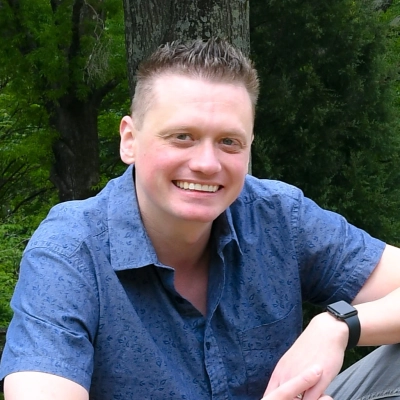
Honestly, the experience that most changed my worldview wasn’t a destination — it was coming home. After years of building things for other people, I started WhatAreTheBest.com from my home office while raising my six-year-old daughter. Watching her learn to ride a bike — falling, getting frustrated, refusing help, then suddenly doing it — taught me more about building a business than any trip abroad. She didn’t read a book about cycling. She just kept showing up. When Google suppressed my entire domain and every metric said quit, I thought about her on that bike. The perspective shift wasn’t geographic. It was understanding that persistence isn’t a strategy — it’s a prerequisite. Everything else is tactics.
Albert Richer, Founder, WhatAreTheBest.com
Rebuild Abroad Cultivate Patience and Resilience
Immigrating and having to rebuild my medical career from scratch profoundly changed my perspective. It was not just the logistics of exams and licensure, but the emotional weight of isolation and the constant feeling of being an outsider. That experience made me more patient with people who are navigating change, because I learned how quickly confidence can evaporate when your usual supports disappear. It also taught me to focus on the next workable step instead of getting overwhelmed by the full scope of what is ahead. I came to see stress and grief as normal parts of transition, not signs of failure. Today, I view resilience less as a personality trait and more as something you build through repeated, imperfect efforts. Overall, it deepened my respect for the quiet courage it takes to start over in a new place.

Design Ecosystems Not Just Buildings
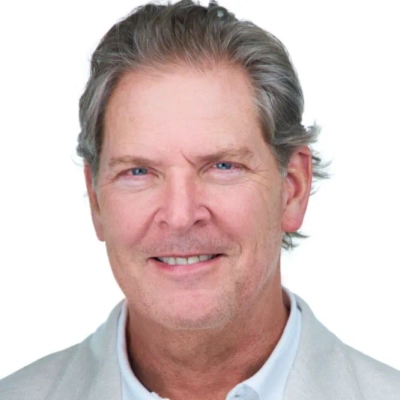
Living and working in North Carolina around Research Triangle Park was the travel experience that really rewired my perspective. Coming from Pittsburgh brokerage, I suddenly saw how a region can reinvent itself when universities, infrastructure, and private employers pull in the same direction.
It changed my worldview from “real estate follows demand” to “real estate can help create demand” if you plan it intentionally. Watching Highwoods develop and lease class A office and flex/tech space taught me that buildings don’t win–ecosystems do.
I brought that back to Pittsburgh when I started Donahue Real Estate Advisors in 2010 and chose to represent tenants only, with no conflicts. When I’m helping a company pick space, I’m thinking beyond rent: where can they recruit, how will the commute and neighborhood amenities affect retention, and does the location signal growth to customers and employees.
If you’re a commercial tenant looking at Pittsburgh, treat it like a talent and culture decision, not a square-footage decision. Use the city’s strengths–universities, distinct neighborhoods, and access north of town–and negotiate terms that protect flexibility so your space can evolve as fast as your business.
Confront Avoidance Restructure Patterns Through Insight
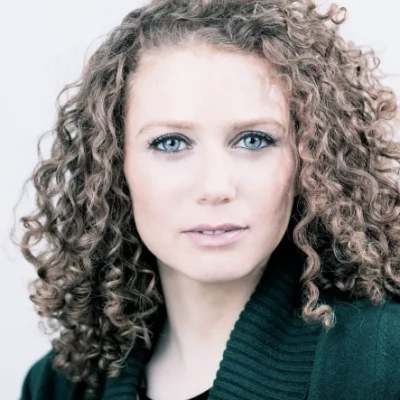
As a New York-based psychodynamic psychotherapist and Clinical Director of a Midtown practice, the most perspective-shifting “travel” for me has been moving therapy into digital and hybrid rooms as a consultant with the International Society for Mental Health Online. It forced me to see how quickly people try to pack pain into carry-ons: polished narratives, high achievement, and “I’m fine” functioning.
One case that stayed with me: an executive in burnout could run meetings across time zones, but on video therapy they kept disappearing into multitasking whenever grief showed up. Naming that avoidance in real time (“what happens in your body right before you tab away?”) turned stress management into a medical-wellness question—sleep, appetite, and somatic agitation were the dashboard, not the to-do list.
It changed my worldview toward this: wherever you go, you bring your internal world, and it will reorganize itself around threat and attachment. For health and wellness, the most “efficient” intervention often isn’t another skill—it’s sustained, insight-oriented work that changes the structure that keeps re-creating the same symptoms.
Establish Credibility First Listen Before Solutions
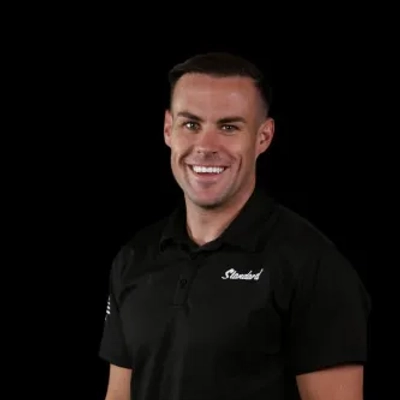
Two years in Hamilton, New Zealand on an LDS mission completely rewired how I see people. You’re dropped into a culture that isn’t yours, with no safety net, learning to connect with strangers from scratch every single day.
What hit me hardest was how much trust matters before anything else gets done. Kiwi culture is direct and skeptical of outsiders – you either earn your place or you don’t. No shortcuts.
I carried that straight back into how I approach contractor relationships at Standard. Before we ever talk VMI programs or inventory solutions, I’m focused on actually understanding how a contractor runs their business and what’s breaking down for them.
That mission taught me that people are the same everywhere – they want to be heard before they’re sold to. That one lesson has probably shaped more of how I lead than anything I learned in a classroom at BYU.
Champion Long-Term Vision Through Deliberate Pause
One travel experience that changed my perspective was a quiet morning in Paris after a conference I spoke at, when I took a typical Parisian breakfast and time to reflect. Seeing customers take time out to attend presentations and discuss a next 20-year vision made me appreciate how rare and important long-term thinking is. It reinforced my belief that leaders must create space for reflection amid busy schedules so strategy can stay aligned with daily decisions. That moment shaped how I lead SolasOS and prioritise tools that help organisations translate long-term goals into everyday behaviour.