Travel Essentials: 12 “Must Have” Items According to Experienced Travelers
Packing for a trip can feel overwhelming, but experienced travelers know which items consistently prove their worth on the road. This article gathers practical recommendations from seasoned experts who have tested gear across countless destinations. From reusable totes to instant connectivity solutions, these essentials address real challenges that arise during travel.
- Stock Up on Adventure Snacks
- Activate eSIM for Instant Connectivity
- Protect Decks with Nonmarking Boat Shoes
- Choose Reef Safe Sunscreen First
- Kickstart Recovery with Minerals and Ferments
- Secure Reliable Hydration with Bottled Water
- Tame Chaos with a Door Organizer
- Blend in with a Plain Cap
- Grab a Compact Reusable Tote
- Start with a Neighborhood Coffee
- Speed Precise Repairs with a Multitool
- Stash a Local Map Backup
Stock Up on Adventure Snacks
Snacks. Always snacks.
After more than 25 flights with my young kids, I’ve learned snacks are the difference between a fun outing and an impending meltdown. One of the first things I do after arriving is stop by a local grocery or convenience store to stock up.
Travel days throw off routines, meals, and nap schedules, so having snacks on hand keeps everyone happy while we explore. It also helps prevent hanger when we’re between meals or waiting in long lines.
Buying snacks locally also becomes part of the travel experience. Even my picky eaters get excited to try new foods when we travel, whether it’s different crackers or chips, new drinks, or easy proteins like beef sticks or salami.
It turns a simple grocery stop into a small travel adventure and keeps everyone fueled for the day ahead.

Activate eSIM for Instant Connectivity
One thing I always sort out before a trip is mobile data. These days that usually means an eSIM, and I like having it ready before I’ve even walked out of the airport.
I run a travel project focused on places like Montenegro, Albania, and Georgia, so staying connected is not just about convenience for me. I use it constantly – for maps, translations, last-minute bookings, messaging, and just feeling more secure when I land somewhere unfamiliar.
What I like most about eSIMs is how simple they make the whole arrival process. There’s no need to look for a SIM shop, compare random airport prices, or deal with swapping tiny plastic cards. I usually set everything up in advance with a QR code, so my internet starts working almost immediately after landing.
In countries like Albania or Georgia, where things do not always work in the most tourist-friendly way, that first connection can make a real difference. I’ve used it to avoid overpriced taxis, double-check whether a guesthouse was actually where it claimed to be, and understand signs written in an alphabet I could not read.
It seems like a minor detail, but it changes the feel of arriving somewhere new. Instead of starting the trip stressed and disoriented, you feel ready from the first few minutes.

Protect Decks with Nonmarking Boat Shoes
A pair of closed-toe, non-marking boat shoes is my go-to purchase upon arriving at any marina destination.
With 20+ years in yacht sales at Norton Yachts, I’m sea trialing Jeanneau Sun Odyssey models like the 410 or 440 daily, where black-soled shoes scuff decks and kill deals.
During a client demo on our 2022 Jeanneau Sun Odyssey 410 last month, mine wore through–local buy prevented gelcoat damage, securing the $500K sale.
They grip wet decks for safety and signal pro care, essential for high-end transactions.

Choose Reef Safe Sunscreen First
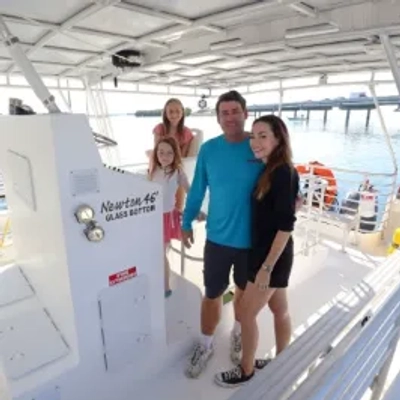
Reef-safe sunscreen. Every time guests roll into Islamorada for our glass bottom boat tours at Robbie’s Marina, I direct them straight to the nearest pharmacy for a bottle—it’s the first essential they need.
Running eco-tours on the Transparensea, I’ve hosted thousands who underestimate the Keys’ intense sun during our 2-hour reef visits to spots like Cheeca Rocks or Alligator Reef.
It’s crucial because chemical sunscreens kill corals we showcase—our stabilized boat reveals turtles, eels, and fish that thrive only with responsible protection. One family skipped it, got fried mid-tour, and couldn’t enjoy the night eco-glow spotting nurse sharks and rays.
Kickstart Recovery with Minerals and Ferments
The items: High-mineral water, medical-grade electrolytes, and local kefir.
Our first stop is always the pharmacy or a small local shop. It is a clinical recovery mission. We grab massive bottles of mineral water and a stack of electrolyte sachets. If the destination has it, I hunt for local kefir or natural, unsweetened yogurt.
Oliver—my husband—is a coffee purist. He drinks it all morning on the move. He rarely offsets that diuretic effect with actual water. By the time we land in a city like Bangkok or Hanoi, he is a walking dehydration statistic. I have to be the clinical enforcer. Along with the fluids, I buy high percentage dark chocolate and local nuts. The chocolate provides a magnesium-rich mood fix after a grueling flight. The nuts are our protein bridge.
As a Doctor of Dental Medicine and nutritionist, I view the body as a systemic whole. Long-haul flights cause gut stasis. You sit for ten hours. Your digestion just stops. Fermented foods like kefir or yogurt are mandatory to kickstart the microbiome and mucosal immunity. We call this the “Systemic Reset.” We stock up immediately so the adventure doesn’t end before it actually begins.

Secure Reliable Hydration with Bottled Water
I always buy water as soon as I arrive. There is nothing worse than being thirsty, and it’s the evening or the middle of the night, and you have no water. It’s so underrated. Even in countries where the water is drinkable, I just prefer bottled water to be 100% sure.

Tame Chaos with a Door Organizer
I always buy a cheap over-the-door shoe organizer (or a 12-pocket hanging organizer) at the nearest big-box store when I land. I’ve run rentals across Detroit/Chicago and spent decades in transportation, so I’ve learned the fastest way to feel settled is controlling the “small chaos” items.
It matters because it turns any place–hotel, Airbnb, furnished loft–into a functional base in 5 minutes: chargers, meds, keys, receipts, earbuds, even socks all get a dedicated pocket. That cuts the nightly “where’d I put it” scavenger hunt that kills mornings and makes people late.
We saw the same principle in hosting: when guests asked for clearer walkthroughs, we added detailed videos and booking conversions jumped ~15% because friction dropped. The organizer is the physical version of that–less friction, fewer mistakes, smoother trip.

Blend in with a Plain Cap
One of the first things I do when I land somewhere new is find a hat.
Not before I leave home. Not from an airport gift shop. Locally. From somewhere people actually shop. Something simple. Something packable. Something that the people who actually live there would wear without thinking twice about it.
It matters more than it sounds.
A baseball cap is a flag. And I’m not interested in announcing where I’m from before I’ve even had a chance to see where I am. I want to observe before I’m observed. I want to walk into a place like someone who belongs there, or at least like someone who respects it enough to try.
The hat helps with that. So does the sun. Practical and intentional at the same time — which is honestly how I try to move through most things.
And here’s the part I love most: I’m still wearing them. Long after the trip is over, long after the tan fades and the luggage is unpacked, the hat stays. It becomes part of the rotation. A quiet reminder of a place I stood, a street I found, a morning I won’t forget.
The best souvenirs are the ones that still have a job to do.

Grab a Compact Reusable Tote
I always buy a compact reusable tote bag at a local market because it solves a problem right away. It can carry snacks, a light jacket, and small items I pick up during the day. It also helps me avoid plastic bags that often tear at the worst time. I prefer simple things that make daily movement easier without adding extra effort.
What makes it essential is how it supports unplanned moments during the day. If I stop at a bakery, a bookstore, or a street market, I am always prepared. It keeps my hands free, which improves comfort and safety in crowded places. I like items that stay useful over time, and this tote becomes something I use again and again.

Start with a Neighborhood Coffee
One travel essential I always buy on arrival is a local coffee from a shop near the station. It gives me a brief moment to orient, check my route, and get a sense of the neighborhood. That small habit helps me start a trip calmly and stay connected to the places I visit.

Speed Precise Repairs with a Multitool
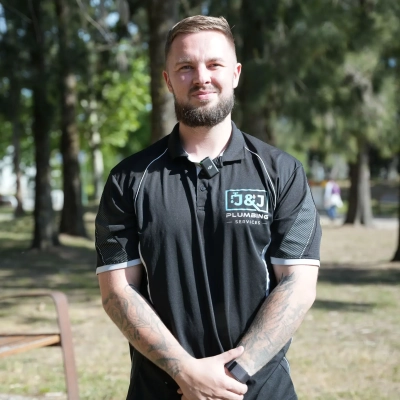
I always buy an oscillating multi-tool when I arrive on a job away from my usual workshop. It handles awkward, tight-space cuts that would otherwise slow a renovation down. I value it because it allows controlled plunge cuts without ripping up surrounding finishes, so I can make neat openings and small trims. I use it in bathroom work for trimming skirting and architraves, cutting access panels, removing grout, or cutting around a single tile for repair, which keeps repairs clean and avoids unnecessary demolition and patching.
Stash a Local Map Backup
It may seem like a bit of an outdated thing, but I like to purchase a local map! I rely on my phone for directions, but I like to be prepared in the potential circumstance where my phone might be dead, or broken, or lost. It’s also kind of fun to have these maps as souvenirs when I get home – I have a large collection of them now.